Source Centrifugal Cryogenic Pump for LNG Transfer and Ethylene
Compare 30 verified centrifugal cryogenic pump listings from Chinese manufacturers. Buyers can evaluate specifications like high pressure, oil-free operation, and single-stage designs for LNG, ethylene, and cryogenic liquid transfer applications.
Key considerations
Products List


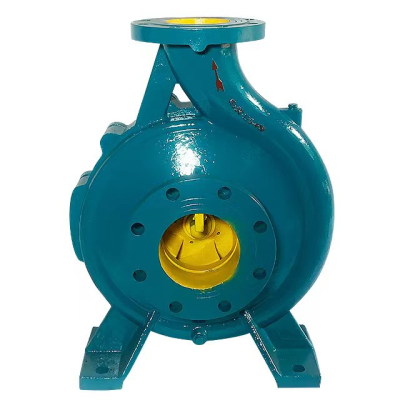


Comprehensive Sourcing Guide
Strategic Sourcing Guide for Centrifugal Cryogenic Pumps
Understanding Technical Specifications and Configuration
When sourcing centrifugal cryogenic pumps, buyers must first navigate a complex landscape of technical configurations that define the pump's suitability for specific low-temperature applications. The core of this equipment lies in its ability to handle media such as Liquid Carbon Dioxide (LCO2), Liquid Nitrogen (LN2), Liquid Argon (LAR), and Liquefied Natural Gas (LNG). The observed market data indicates a distinct categorization where these pumps are often designed as single-stage units with a horizontal pump shaft orientation. This horizontal configuration is critical for integration into existing piping systems and ensures stability during high-pressure operations.
The driving mechanism for these units is predominantly electric, utilizing electric motor drivers to power the centrifugal action. A key structural distinction in the observed inventory is the prevalence of piston pump structures alongside centrifugal designs, suggesting that buyers must carefully distinguish between the intended mechanism for their specific fluid dynamics. For centrifugal variants, the impeller design varies significantly, with options including semi-open and open impellers. The semi-open design is often associated with specific suction configurations, while open impellers may be preferred for applications requiring handling of slightly viscous or particulate-laden cryogenic fluids, though purity is generally maintained in cryogenic environments.
Pressure ratings are a primary differentiator. The market presents units categorized as high-pressure pumps, with specific observed ranges extending from 1.6 to 3.0 MPa. However, other listings indicate low-pressure pump classifications, necessitating a precise match between the system's required head and the pump's capabilities. The maximum head observed in certain configurations reaches between 110 meters and 150 meters, which is a vital metric for determining vertical lift capabilities in industrial setups. Flow rates are another critical specification, with observed ranges typically falling between 10 and 20 cubic meters per hour. Buyers must verify if their process requires higher throughput or if the standard ranges are sufficient for their transfer operations.
The mounting height and suction type also play a pivotal role in installation. Some units are described with mounting heights suitable for suction centrifugal applications, while others reference specific irrigation or general pump mounting standards. The influent type of the impeller is noted as single-suction in several configurations, which impacts the hydraulic balance and the need for balancing the shaft. Understanding these granular details is essential before engaging with suppliers, as the mismatch between a high-pressure requirement and a low-pressure pump can lead to catastrophic system failure.
Compliance, Certification, and Standard Verification
In the realm of industrial procurement, compliance is not merely a formality but a fundamental safety requirement. When evaluating centrifugal cryogenic pumps, buyers must scrutinize the standards and certifications listed in the product specifications. The observed data includes references to CE and GS standards, which indicate compliance with European safety and general standards. Additionally, specific product standards are listed as "Capacity customized" or "According to customer needs," suggesting that many manufacturers operate on a flexible basis where the final compliance depends on the specific order requirements rather than a rigid, off-the-shelf standard.
The origin of the equipment is a significant factor in compliance verification. The majority of the observed inventory originates from China, with specific mentions of Zhejiang as a manufacturing hub. While this provides access to a robust supply chain, it necessitates rigorous due diligence regarding the manufacturer's adherence to international safety protocols. Buyers should verify if the supplier holds ISO 9001:2008 certification, although this should be treated as a background indicator rather than a guaranteed attribute of every listed product. The absence of explicit certification claims in the product listing does not preclude compliance, but it requires the buyer to request valid documentation directly from the supplier.
Customization is a dominant feature in this sector. The attribute "Customization: Available" appears frequently, alongside "Customized Support: OEM." This indicates that the standard models are often starting points for tailored solutions. The standard for packing is also variable, ranging from "Normal Package" to "Plywood" and "Carton/Plywood" combinations. For cryogenic pumps, which are sensitive to temperature fluctuations and physical shock, the packaging standard is a proxy for the manufacturer's attention to detail. A plywood crate is generally preferred for heavy, high-value industrial machinery to ensure protection during international transit.
Furthermore, the HS code 8413810090 is observed, which classifies these pumps under specific tariff headings for liquid pumps. This classification is crucial for logistics and customs clearance but also serves as a technical identifier for the type of machinery. Buyers must ensure that the supplier's documentation aligns with this classification to avoid regulatory hurdles. The "Oil Free" attribute is another critical compliance point, particularly for applications involving food-grade or high-purity gases where contamination is unacceptable. Verifying that the pump design and lubrication systems meet oil-free requirements is essential for maintaining the integrity of the cryogenic medium.
Cost Drivers and Pricing Dynamics
The pricing structure for centrifugal cryogenic pumps is highly variable, reflecting the complexity of the engineering and the customization required. The observed price range spans from approximately 195 USD to 40,000 USD. This vast disparity is not indicative of quality differences alone but rather the scope of the equipment. The lower end of the spectrum likely corresponds to smaller, standardized units or specific components, while the upper end represents heavy-duty, high-pressure, or highly customized systems with advanced motor powers and specialized materials.
Several factors drive these costs. First, the motor power is a significant cost component. Units with a motor power of 22 kW or higher will inherently command a higher price due to the cost of the electric motor driver and the associated control systems. Second, the pressure rating influences the material requirements. High-pressure pumps operating at 1.6 to 3.0 MPa require thicker casings, reinforced seals, and more robust bearings, all of which increase manufacturing costs. The material used for the pump casing, particularly for cryogenic applications, must withstand extreme thermal contraction, often necessitating specialized alloys that are more expensive than standard cast iron.
Customization is another major cost driver. The "Capacity customized" and "According to customer needs" standards suggest that bespoke engineering adds to the base price. Buyers seeking specific flow rates, unique mounting heights, or specialized impeller designs should anticipate a premium over standard catalog items. Additionally, the "Free Spare Parts: Two Years" attribute, while a value-add, implies a higher initial investment that covers the cost of these components. This warranty period is a significant factor in the total cost of ownership and should be weighed against the initial purchase price.
The Minimum Order Quantity (MOQ) is observed to be consistently at 1 unit across the dataset. This flexibility allows buyers to procure single units for pilot projects or specific replacements without the burden of bulk purchasing. However, the lead time and logistics costs associated with single-unit orders can sometimes offset the savings from not buying in bulk. Buyers should also consider the packaging costs, as "Plywood" or "Carton/Plywood" options are more expensive than standard packaging but necessary for safe transport.
Typical Applications and Operational Context
Centrifugal cryogenic pumps are engineered for a diverse range of industrial applications, primarily centered around the transfer and handling of liquefied gases. The observed usage data highlights specific applications such as the transfer of R152A and Ethylene, as well as the handling of Lox, Lin, Lar, and LNG. These applications are common in the chemical processing, aerospace, and energy sectors. In the chemical industry, the transfer of refrigerants like R152A requires pumps that can maintain a stable flow without cavitation, even at low temperatures.
The "Liquid Filling" application is also noted, indicating the use of these pumps in bottling or storage tank filling operations. This requires precise flow control and the ability to handle the medium without introducing contaminants. The "Oil Free" attribute is particularly relevant here, ensuring that the lubrication system does not compromise the purity of the product being filled. For LNG applications, the pumps must operate reliably in extreme cold, often requiring specialized insulation and materials to prevent thermal shock.
The working conditions are specified as "Dry," which suggests that these pumps are designed for environments where the medium is in a liquid state and the pump casing is not submerged in a wet environment, or perhaps refers to the dry running capability of the seals. The "Working Pressure" being classified as high or low depends on the specific application; for instance, transferring LNG to a storage tank might require high pressure, while filling a low-pressure vessel might utilize a low-pressure pump.
The "Single-Stage Pump" configuration is ideal for applications where the required head is moderate, as seen in the 110-150 meter range. For applications requiring higher heads, multi-stage configurations might be necessary, though the observed data focuses on single-stage units. The "Horizontal Split Pumps" design is advantageous for maintenance, as it allows access to the internal components without disconnecting the piping, which is crucial for minimizing downtime in continuous industrial processes.
Supplier Evaluation and Selection Criteria
Selecting the right supplier for centrifugal cryogenic pumps requires a multi-faceted evaluation process that goes beyond the initial product listing. Buyers should prioritize suppliers who demonstrate a clear understanding of the specific technical requirements, such as the medium type, pressure rating, and flow rate. The presence of "Customization: Available" and "OEM" support indicates a supplier's capability to adapt their products to unique client needs. However, buyers must verify the extent of this customization and the associated lead times.
The origin of the product, specifically "Zhejiang China," suggests a concentration of manufacturing expertise in this region. Buyers should investigate the specific manufacturer's reputation within this hub, looking for evidence of consistent quality and delivery performance. The "Condition: New" attribute is standard, but buyers should confirm the manufacturing date and storage conditions to ensure the equipment has not degraded during transit or storage.
Supplier reliability is further indicated by the "Free Spare Parts: Two Years" offer. This suggests a level of confidence in the product's durability and a commitment to after-sales support. Buyers should clarify the terms of this warranty, including what constitutes a defect and the process for claiming spare parts. The "Normal Package" versus "Plywood" distinction also offers insight into the supplier's attention to logistics; a supplier willing to use robust packaging is likely more attentive to the physical integrity of the product.
When evaluating suppliers, buyers should also consider the "Standard" attributes listed. If a supplier claims compliance with "CE GS" or other standards, they should be able to provide the relevant certificates. The "Capacity customized" standard implies flexibility, but buyers must ensure that the supplier has the engineering capacity to deliver on these customizations without compromising quality. The "HS: 8413810090" classification should be consistent across all documentation to avoid customs issues.
Quality Control and Long-Term Procurement Considerations
Quality control in the procurement of centrifugal cryogenic pumps is paramount due to the hazardous nature of the media involved. Buyers should implement a rigorous inspection protocol that includes verifying the "Working Pressure" ratings against the actual test data provided by the manufacturer. The observed "High Pressure" and "Low Pressure" classifications must be validated through third-party testing or certified test reports. The "Npshr" (Net Positive Suction Head required) of 2.0 meters is a specific technical parameter that must be met to prevent cavitation, a common failure mode in cryogenic pumps.
Long-term procurement considerations involve the total cost of ownership, not just the initial purchase price. The "Two Years" free spare parts offer is a significant factor in reducing long-term maintenance costs. Buyers should also evaluate the availability of spare parts beyond the warranty period, as the "Normal Package" or "Plywood" packaging suggests that the equipment is designed for long-term use and requires periodic maintenance. The "Oil Free" attribute reduces the risk of contamination, which can lead to costly downtime and product loss.
The "Condition: New" status should be accompanied by a detailed inspection report upon delivery. Buyers should check for any signs of damage during transit, especially given the sensitivity of cryogenic components. The "Mounting Height" and "Impeller" specifications must be verified against the installation site to ensure proper alignment and operation. The "Single Suction Pump" design requires careful alignment to prevent vibration and wear.
Finally, buyers should consider the scalability of their procurement strategy. The "Customization: Available" attribute allows for future expansion or modification of the system without replacing the entire pump. This flexibility is valuable for industries that may need to adjust their production capacity or change the media they handle. By focusing on suppliers who offer robust customization and comprehensive after-sales support, buyers can ensure a reliable and efficient operation of their centrifugal cryogenic pumps over the long term. The interplay between technical specifications, compliance, and supplier reliability forms the foundation of a successful procurement strategy in this specialized market.
FAQs
What is the maximum head range for these pumps?
The maximum head ranges between 110 meters and 150 meters for specific configurations. This metric determines the vertical lift capability required for your industrial setup and varies by model.
Can these pumps handle liquid oxygen and nitrogen?
Yes, the pumps are designed to handle media including Lox, Lin, Lar, and LNG. They are suitable for transferring cryogenic fluids in chemical and energy sector applications.
Which pressure ratings are available for these units?
Units are available with high pressure ratings ranging from 1.6 to 3.0 MPa. Some configurations are also classified as low-pressure pumps depending on the specific application needs.
How is the pump shaft positioned in these models?
The pump shaft is positioned horizontally to ensure stability during high-pressure operations. This configuration is critical for integration into existing piping systems.
What is the typical flow rate for these pumps?
The observed flow rates typically fall between 10 and 20 cubic meters per hour. Buyers must verify if this standard range meets their specific process throughput requirements.
Are these pumps oil-free for high-purity applications?
Yes, the pumps are designed to be oil-free to prevent contamination of the cryogenic medium. This is essential for maintaining purity in food-grade or high-purity gas applications.
What is the origin of these centrifugal cryogenic pumps?
The majority of the inventory originates from China, with specific manufacturing hubs in Zhejiang. Buyers should verify compliance with international safety protocols for these origins.